Duck and Cover, Then Drive: Chasing Pennsylvania's Atomic Ghosts Before the Weeds Take Over
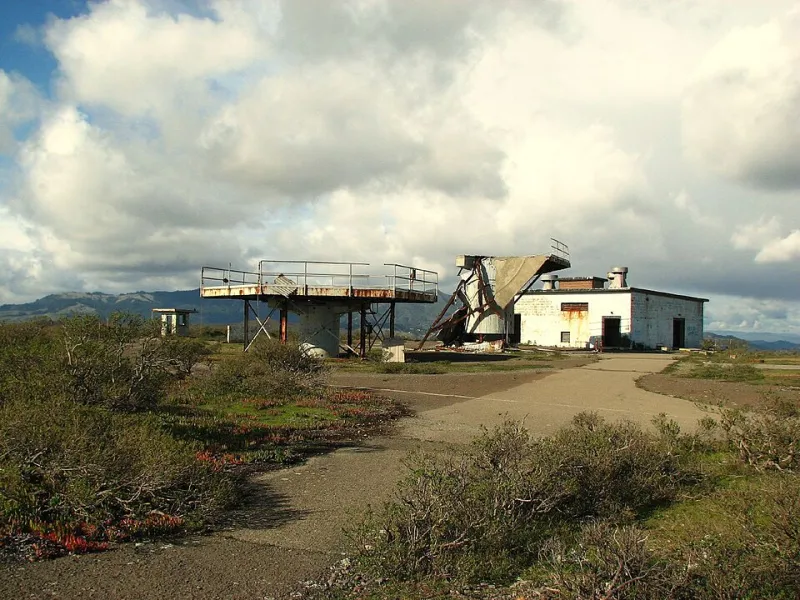
Photo: David Berry from Rohnert Park CA, USA, CC BY 2.0, via Wikimedia Commons
Pennsylvania loves its 18th century. We've got more colonial history markers per mile than just about anywhere, and you can't throw a stone without hitting something George Washington allegedly slept on. But drive twenty minutes outside almost any Pennsylvania city and you'll find a completely different chapter — one the tourism brochures mostly skip. The Cold War left its fingerprints all over this state: missile bases in the suburbs, a nuclear pioneer on the Ohio River, radar stations on mountaintops, and bunkers buried under hills. Most of it is crumbling. Some of it is already gone.
Here's a two-day loop that stitches the best of it together — part history lesson, part eerie back-roads adventure.
Day One, Morning: A Missile Base in the Philadelphia Suburbs
Start where the Cold War got personal. During the 1950s and '60s, the Army ringed America's major cities with Nike Ajax and Nike Hercules missile batteries — the last line of defense against Soviet bombers. Philadelphia had its own protective ring, and the concrete footprints are still out there in the hills of Bucks, Delaware, and Chester counties.
The most accessible sites include the former PH-07 battery in the Warwick area and remnants scattered around Media and Glen Mills. Don't expect museums — expect overgrown earth-covered magazines, rusted fence lines, and the strange geometry of launch pads melting back into meadow. Bring a good map, respect posted property, and know that part of the appeal is the detective work. The Pennsylvania Historical and Museum Commission and local historical societies have documented several sites, and a few markers now stand where missile crews once stood alert.
It's a jarring thought while you're sipping coffee in a Suburban strip mall: this peaceful landscape was once considered a target zone.
Day One, Afternoon: Bunkers and Radar in the Hills
Head west toward the ridges. Pennsylvania's mountains made it natural radar country, and Cold War-era aircraft warning and communications sites still dot the high ground — some repurposed, some abandoned, some actively mysterious. The area around Camp David's Pennsylvania counterparts and the old underground relocation facilities scattered through the south-central hills are a reminder that the state was essentially one giant backup plan for a federal government that expected the worst.
If your route bends toward Bedford or the Laurel Highlands, keep an eye out for the telltale features: antenna fields, blast-rated doors, windowless concrete blocks with odd little windows near the roofline. Some served as emergency relocation sites for government officials. Others were communications relays meant to survive just about anything except neglect.
Overnight in Bedford — a town whose federalist charm is a nice palate cleanser after a day of brutalist concrete.
Day Two: Shippingport, the Town That Powered the Future
From Bedford, it's a scenic two-and-a-half-hour drive west to the Ohio River and Shippingport, the little Beaver County community that became ground zero for America's peaceful atomic ambitions. In 1957, the Shippingport Atomic Power Station became the first full-scale commercial nuclear power plant in the United States — a Dwight Eisenhower-era statement that the atom would light homes, not level cities.
The original station is long decommissioned and dismantled, but the site's legacy lives on in the still-operating Beaver Valley plant nearby, and in the region's broader atomic story. Pair your visit with a stop in the surrounding River towns — the Beaver County industrial corridor tells the whole arc of the atomic age, from optimism to obsolescence. The nearby communities of Shippingport and Shippingport-adjacent Midland, home to the former Nuclear Navy component works, are worth a slow drive-through for anyone who loves industrial archaeology.
There's something genuinely moving about standing on the riverbank where the atomic age was supposed to begin in earnest. It didn't turn out the way the 1957 newspaper headlines promised — but it turned out, period.
Why Go Now
These sites are vanishing at a steady clip. Nike bases get demolished for warehouses and ball fields. Radar stations rot. The generation that manned them is fading, and with it, the firsthand stories. Pennsylvania's colonial landmarks will be here in another 250 years. Its Cold War ruins won't.
A few practical notes: many sites sit on active or posted property, so check access before you go and never trespass. The Cold War era is well-documented through the National Archives, the Atomic Heritage Foundation's oral histories, and several excellent books on the Nike program — brushing up beforehand makes the drive twice as rewarding.
It's a trip with no costumed interpreters, no gift shops, no fife and drum corps. Just you, the back roads, and the quiet remains of a time when the whole country kept one eye on the sky. Pennsylvania was there for all of it — arming, warning, and powering America through the tensest decades of the 20th century. Go see it while there's still something left to see.