The November Table: A Thanksgiving Drive Through Pennsylvania's Historic Kitchens
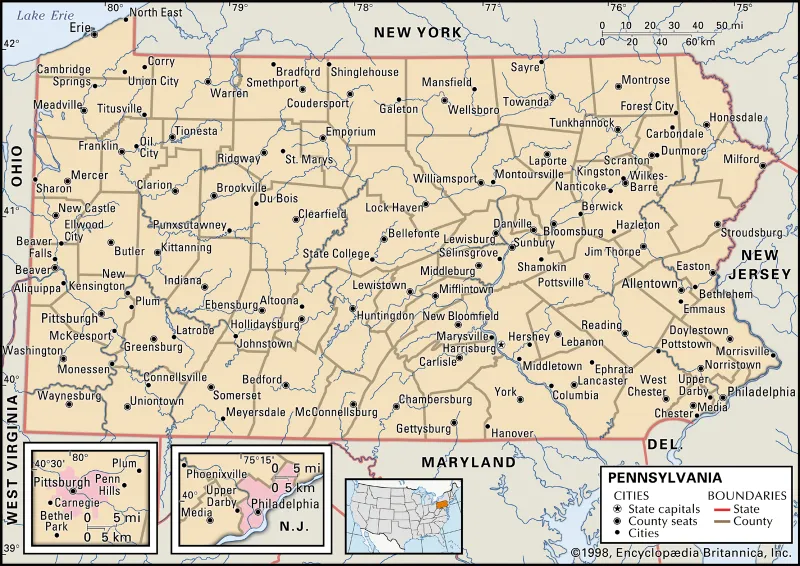
Photo: Pennsylvania Dutch shoo-fly pie historic kitchen Thanksgiving road trip, via cdn.britannica.com
Thanksgiving has a way of turning every road trip into a food trip. That is especially true in Pennsylvania, where the holiday table has been under construction for more than three centuries. German-speaking settlers, Moravian communities, English colonists, and later waves of immigrants all left fingerprints on the way this state cooks, preserves, and bakes. For Thanksgiving 2026, skip the standard battlefield pilgrimage and point the car toward the kitchens. This is a long-weekend drive through historic farms, market towns, and museum hearths where the past is not behind glass. It is bubbling in a cast-iron pot.
Day One: Philadelphia to Bucks County
Start in Philadelphia at Reading Terminal Market, a modern food hall with deep historic roots. The market has been feeding the city since 1893, and Thanksgiving week is when its stalls lean hard into pies, preserves, and Pennsylvania Dutch specialties. Grab coffee and a shoo-fly pie for the road, then head north to Pennsbury Manor in Morrisville. William Penn's reconstructed country estate includes a working kitchen and garden that show how an elite colonial household prepared for a harvest season. Demonstrations vary by day, so check the schedule before you go. When the hearth is active, the smell of wood smoke and baking bread does more explaining than any exhibit label.
If you have time for a southern detour, Colonial Pennsylvania Plantation in Ridley Creek State Park is another strong stop. The farm interprets eighteenth-century rural life, and its hearth-cooking programs are a reminder that most colonial meals were built on fire, patience, and whatever the garden gave up that week. This is not the place for a quick selfie stop. Give it an hour or two.
End the day in Lancaster County. Check into a country inn or a plain motel with good water pressure. You are going to need both a comfortable bed and an early start.
Day Two: Lancaster County's Harvest Table
Lancaster is the heart of this route. Start at Lancaster Central Market, one of the oldest continuously operating public markets in the country. The market has been in its current building since 1889, and its vendors sell the kind of food that made Pennsylvania Dutch cooking famous: apple butter, chow-chow, scrapple, sausages, and pies with names that sound like folk songs. Buy a little of everything. You will thank yourself later.
Then head to Landis Valley Village and Farm Museum, a sprawling living-history site devoted to Pennsylvania German rural life. The site has historic buildings, gardens, and seasonal programming that often includes hearth cooking and food preservation. It is the best single place on this route to understand how harvest traditions traveled from farmhouse to market town. Nearby, the 1719 Hans Herr House offers a much older window into the region's settlement history. The house is the oldest surviving building in Lancaster County, and its simple kitchen spaces make the point that early cooking was not about show. It was about survival, storage, and making a little go a long way.
For lunch, pick up sandwiches and a slice of pie in Lititz. The town is also home to Julius Sturgis Pretzel Bakery, which claims a serious place in American pretzel history. The tours are short, the ovens are old, and the whole stop is a good reminder that Pennsylvania's food identity is not just about dinner. It is about the snacks in between.
Day Three: Ephrata to Bethlehem
Head west toward Ephrata Cloister, a historic communal settlement founded in the eighteenth century. The site tells a complicated story of religious devotion, craft, and community life. Its kitchens and work buildings are not glamorous, but they are honest. They show how a group of people fed themselves without modern refrigeration or convenience foods.
Finish the drive in Bethlehem, where Moravian history is woven into the streets. Historic Bethlehem Museums and Sites covers several buildings, including the 1741 Gemeinhaus and other early Moravian structures. Moravian cooks are known for traditions like sugar cake and lovefeast buns, and the town's bakeries and cafes make it easy to taste the connection. The Moravian sugar cake is soft, sweet, and faintly yeasty, the kind of thing that belongs next to a strong cup of coffee. It is also a useful reminder that Thanksgiving is not only about turkey. It is about the baked goods that hold the holiday together.
Practical Notes for the Road
Thanksgiving week is busy in Lancaster County and Bethlehem, so book lodging early and check museum hours before you leave. Several living-history sites run reduced schedules or close for the holiday itself. If you want hands-on cooking demonstrations, call ahead and ask specifically. Some sites offer hearth-cooking days, but they do not always run daily. Keep a cooler in the trunk for market purchases, and do not overbuy dairy unless you have a plan.
This route works as a three-day trip, but it can also be split into two shorter drives. The Philadelphia and Bucks County stops make a solid day trip. Lancaster, Lititz, Ephrata, and Bethlehem can fill a weekend on their own. The point is not to check off every kitchen. It is to see how Pennsylvania's cooks turned harvest season into a table that still feels familiar. The shoo-fly pie is optional. The curiosity is not.