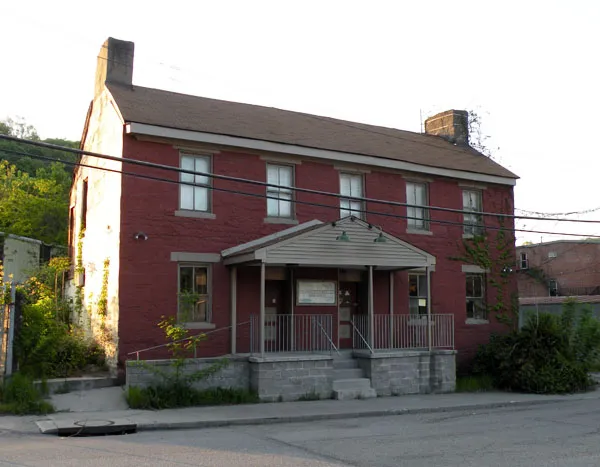
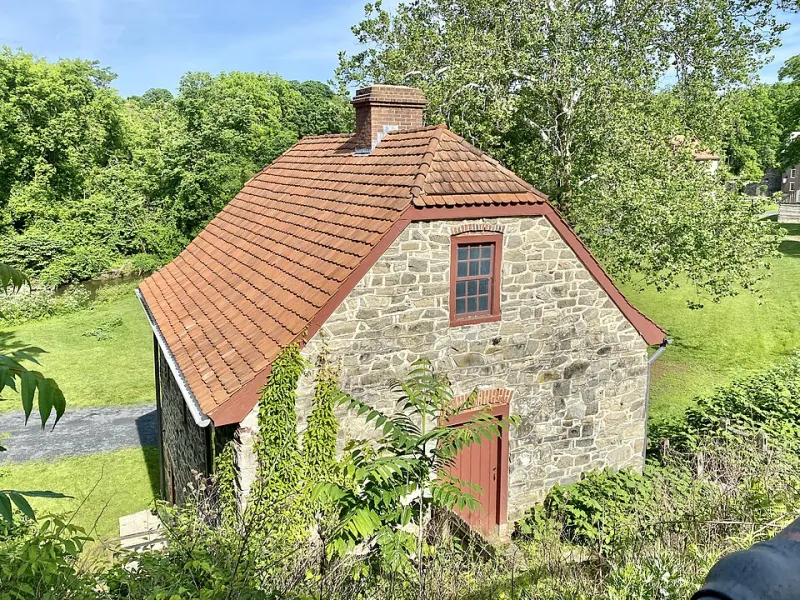
Where the Robber Barons Went to Breathe: A Weekend Among the Mansions of the Delaware
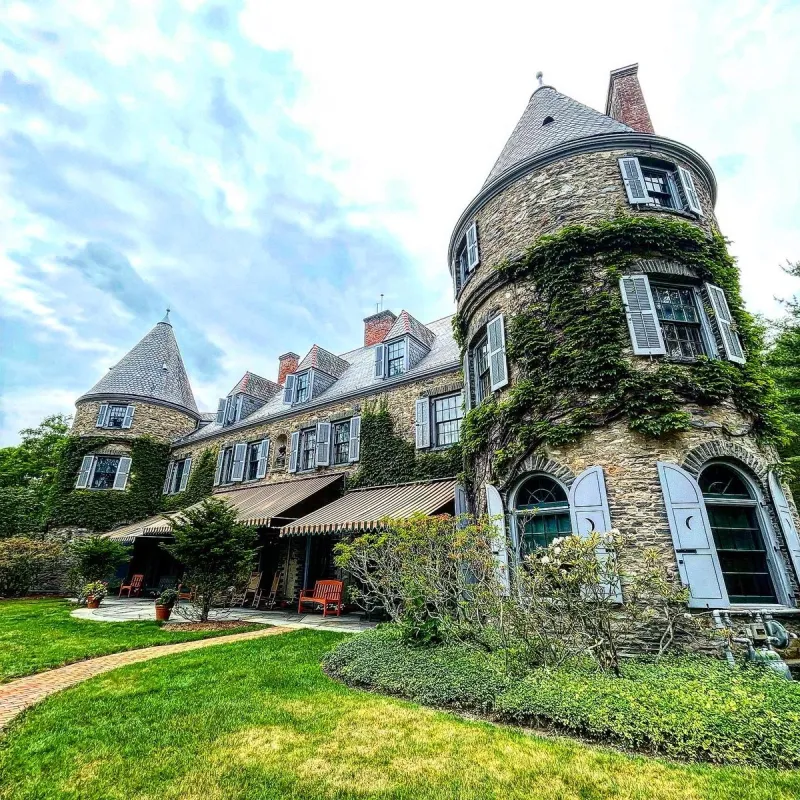
Photo: Grey Towers mansion Milford Pennsylvania historic estate, via img.atlasobscura.com
When the industrialists of New York and Philadelphia wanted to escape the smoke of their own factories, they didn't head to the Hamptons or the Jersey Shore. They pointed their carriages north along the Delaware River, into the wooded hills of Bucks County and the Poconos, and built houses the size of small hospitals.
The good news for the rest of us: a lot of those houses survived, and most of them will let you walk right in. Here's a two-day run up the old Millionaire's corridor, from the city limits to the Delaware Water Gap.
Saturday Morning: Start at the Water's Edge, Glen Foerd
Begin in Torresdale, at the very edge of Philadelphia, where Glen Foerd sits on eighteen acres of riverfront lawn. This is the only Gilded Age mansion in the city you can tour that still holds most of its original furnishings, which tells you something about how the other houses fared.
Built by a succession of wealthy families — the Macaleseters, then the Foerds of Sun Oil money — the house mixes Italianate architecture with a genuinely great art collection, including works that get loaned out to bigger institutions. Docents will tell you about the family's habit of hosting chamber concerts, a tradition that continues today. Budget an hour, and walk the riverside lawn before you go. The view across to Burlington Island hasn't changed since the carriage-trade days, and it costs nothing.
Lunch Stop: Andalusia, or Just Admire the Gates
Ten minutes up Route 613 sits Andalusia, the Biddle family estate, arguably the most important Greek Revival house in Pennsylvania. The big house opens by appointment, but even if you can't get inside, the grounds and gardens along the river are worth the detour. Nicholas Biddle, the man who ran the Second Bank of the United States and fought Andrew Jackson to a draw, made this his seat. It's a good place to eat a sandwich in your car and feel briefly aristocratic.
Saturday Afternoon: The Long Climb to Grey Towers
Now comes the drive. Head north on 611 through Doylestown and the rolling farmland of upper Bucks — roughly ninety minutes to Milford, in the far northeastern corner of the state. Stop in New Hope or Lambertville for coffee if you need it, but keep moving. The reward is Grey Towers, and it's worth every mile.
Gifford Pinchot, the first chief of the U.S. Forest Service and a two-term Pennsylvania governor, grew up in this chateau. His father, James, built it in 1886 as a deliberate statement: a French-style castle in the Poconos to prove the family had arrived. The Pinchot fortune came from timber and wallpaper, which makes it fitting that the son turned the estate into the birthplace of American conservation. Tour the Letter Box — a stone chamber where Gifford held meetings under the open sky — and the mansion's polished stone halls. This is the rare Gilded Age house with an ideological story attached, and the guides tell it well. Reservations matter, especially in fall.
Sunday Morning: The Water Gap and the Summer Colony
Milford sits right at the Delaware Water Gap, the playground of the Gilded Age set. Before the National Park Service took over the valley, the area around the river was dotted with resort hotels and summer cottages for the wealthy. Drive the Old Mine Road — one of the oldest continuously used roads in America — and stop at the village of Water Gap for trailhead walks with views that explain the whole phenomenon.
Back in Milford proper, the Forest Hall building and the Columns Museum give you the town's side of the story: how a sleepy river village became the summer address of artists, publishers, and at least one famous author. Zane Grey built his home here, and it's open seasonally.
Where to Eat and Sleep Like You've Got a Fortune
Milford's Hotel Fauchère is the play here — a restored 1852 hotel that was itself a Gilded Age institution, hosting the likes of Louis Comfort Tiffany. Dinner at the Delmonico Room is the closest you'll get to period excess without a trust fund. For a more modest budget, the town's cafés and the Water Gap Diner down Route 209 will fuel you fine.
If you're making it a true two-nighter, spend Saturday night in New Hope or Lambertville, where the inn options are plentiful and the dinner scene is better than it has any right to be.
Why These Houses Still Matter
It's easy to tour a mansion and just gawk at the chandeliers. But drive this corridor and a bigger story emerges: the same fortunes that built these places — oil, timber, coal, banking — also built the railroads, the forests' destruction, and eventually the conservation movement that saved the Water Gap itself. The people who summered here made the mess and, in Pinchot's case, started cleaning it up.
The houses are the receipts. Go read them.