Two Days in Bethlehem and Beyond: Europe's Oldest Music Traditions, Baked Fresh Daily
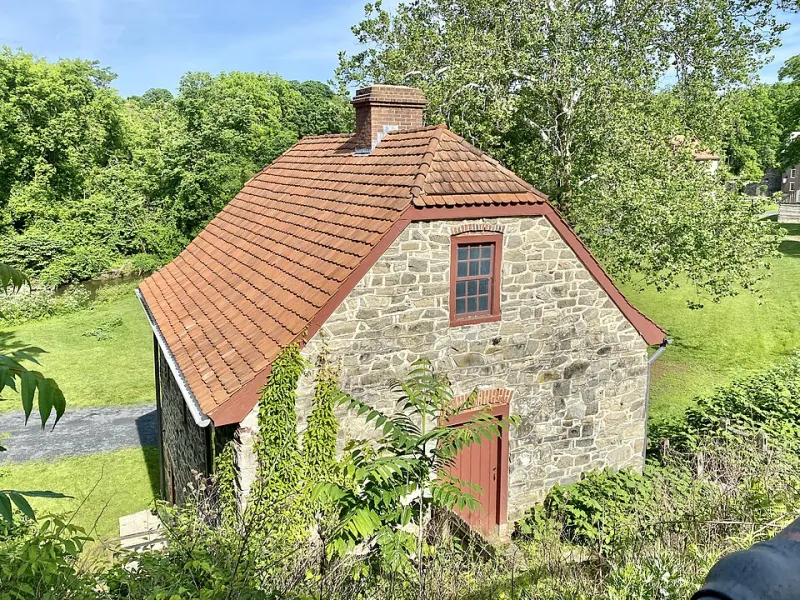
Photo: w_lemay, CC BY-SA 2.0, via Wikimedia Commons
You could spend a whole weekend in Bethlehem and never realize you're only seeing a third of the story. The Moravians who settled here in 1741 built not just one town but a network of planned religious communities — Bethlehem, Nazareth, Lititz — and in 2024, that cluster of settlements earned UNESCO World Heritage status, joining the ranks of Independence Hall and Mesa Verde. For a road-tripper, that means something rare: three small Pennsylvania towns where the 18th century isn't recreated. It's just... still there. You can walk into it. You can eat in it. You can hear it performed live.
Here's how to do all three in a weekend.
Day One, Morning: Get Oriented in the Historic District
Start at the Historic Bethlehem Visitor Center on West Broad Street to get your bearings and grab tickets. Then head into the Moravian Church Settlements district on foot. The must-sees are within a few blocks of each other:
- The 1741 Gemeinhaus, the largest Colonial-era log structure in the country, which served as chapel, school, and dormitory all at once.
- Central Moravian Church, still an active congregation, still holding services in a space that has hosted them since the 1800s.
- God's Acre, the hillside cemetery where every grave marker is identical — a flat, equal stone for everyone, a theology you can read with your feet.
The guides here are genuinely good, and the tours run often. Book the ones that go inside the buildings; the exteriors are lovely but the interiors are the point.
Day One, Afternoon: Bach, Organ Pipes, and a Very Old Bakery
Bethlehem has hosted the Moravian Music Festival longer than any other music festival in America has run anywhere — it's the oldest continuously operating one in the country, and the Moravian tradition of brass choirs and Bach performances is still very much alive. Even outside festival season, check the schedule at Central Moravian or the Lehigh University area for organ recitals; hearing a Bach chorale in a room built by people who sang it first is the single most transportive thing you'll do all weekend.
Then, the bakery. The 1752 Apothecary and the historic Central Moravian bakery anchor the district's food history, and the modern heirloom bread operation in town keeps the ovens going daily. Do not leave without the Moravian sugar cake — a buttery, cinnamon-and-potato-yeast confection that locals eat for breakfast without ceremony. It's better warm. It's also better than it has any right to be.
Day One, Evening: SouthSide and Dinner
Cross the river to SouthSide Bethlehem, where the old Bethlehem Steel works have become the SteelStacks campus — the blast furnaces lit up at night are a startlingly beautiful backdrop for live music at the Levitt Pavilion or Wind Creek's event space. It's not a Moravian story, but it's the next chapter of the same town, and the contrast makes the day richer. Dinner options abound on Third Street; the Vietnamese and Mexican spots here punch well above their weight.
Stay overnight in the historic district if you can — several inns occupy original Moravian-era buildings, so you'll sleep inside the story.
Day Two, Morning: Nazareth's Whitefield House
Ten miles north, Nazareth is quieter and deeper. The Whitefield House and Gray Cottage (1740) are the oldest Moravian buildings in the region — the Gray Cottage may be the oldest surviving structure of its kind in Pennsylvania. The Moravian Historical Society museum inside holds one of the best small collections in the state: early violins, mission-era artifacts, and the famous Nazareth-made Martin guitars connection, since the Martin Guitar Company was founded here before relocating to town. Guitar fans can book the Martin factory tour nearby — it's the rare factory tour that's actually fascinating.
Day Two, Afternoon: Lititz, the Postcard Finish
End in Lititz, arguably the prettiest small town in Lancaster County. The Lititz Springs Park has hosted Independence Day celebrations since the 1800s; the Julius Sturgis Pretzel Bakery, America's first commercial pretzel bakery (1861), still runs hand-rolling demonstrations where your kids can twist their own. Browse the small shops on Broad Street, get a scoop at the Wilbur Chocolate store, and walk the compact Moravian churchyard before you drive home.
The Practical Bits
- Getting there: About 70 minutes from Philadelphia, 90 from New York City. No interstate necessary for the last leg — that's the charm.
- When to go: Spring through fall for weather; December for the famous Moravian star displays and putz shows, if you don't mind crowds.
- Book ahead: Building-interior tours and the Martin factory tour both sell out on weekends.
Two days is enough to see the settlements. It is not enough to stop thinking about them — which is, presumably, how the Moravians planned it.