Mules, Locks, and Coal Dust: Biking the D&L Trail From Wilkes-Barre to Bristol
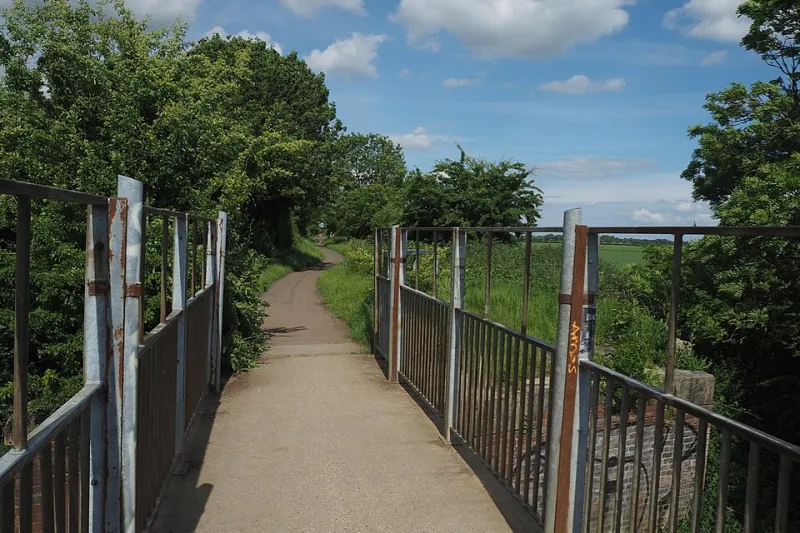
Photo: David Lally, CC BY-SA 2.0, via Wikimedia Commons
Most people have never heard of the Delaware & Lehigh Trail, and honestly, that's part of its charm. While the rails-to-trails famous names get the crowds, this 165-mile ribbon of packed dirt and asphalt runs quietly through five counties, following two rivers and the ghosts of a canal system that once hauled anthracite coal from the Wyoming Valley to Philadelphia's docks.
The premise is simple: for most of the 1800s, moving coal was a water problem. Barges couldn't climb mountains, so engineers built 29 miles of canal, 64 locks, and a towpath where mules walked all day hauling boats loaded with 100 tons of black diamonds. That towpath? It's your bike route now.
Why Ride It South to North (Or North to South?)
Purists ride it downhill — from mountain to sea — which means starting in Wilkes-Barre and finishing in Bristol, just upriver from Philadelphia. You lose about 1,000 feet of elevation over the whole route, and the prevailing argument is that you should end a canal trip with the current, like the barges did.
That said, plenty of riders go northbound so they finish in the mountains with a cold beer in Jim Thorpe. We won't judge either direction. What matters is the daily rhythm: 35 to 45 miles a day, mostly flat, with trail towns spaced out like rest stops on a schedule the canal companies set 150 years ago.
Day One: Wilkes-Barre to White Haven
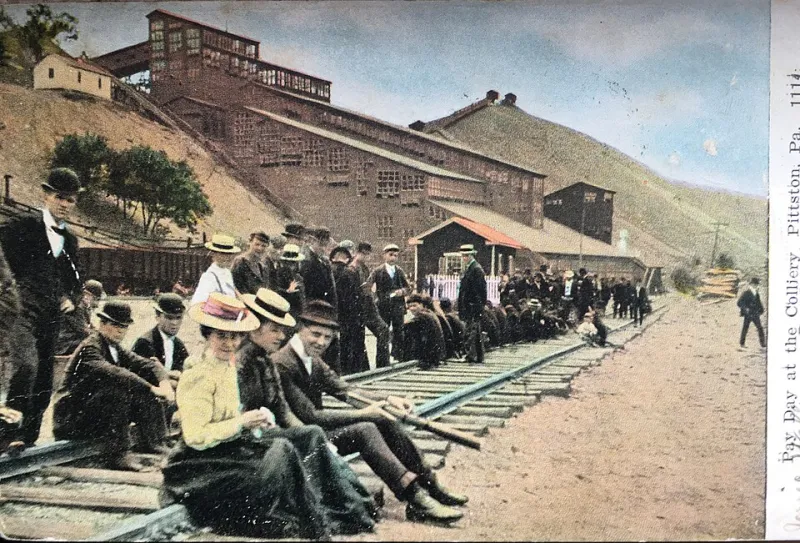
Start where the money started — the Wyoming Valley, where anthracite seams ran so close to the surface that farmers kept digging up coal in their cornfields. The Lehigh Gorge section that follows is the trail's crown jewel: 26 miles of continuous wilderness along a whitewater river, past abandoned railroad grades, waterfalls, and the ruins of lock systems carved into rock.
White Haven itself is a good excuse to slow down. This was a company town, plain and simple — the Lehigh Coal & Navigation Company built it, staffed it, and owned it. The canal basin here was the transfer point where coal came down from the mines and started its journey east.
Day Two: Jim Thorpe and the Asa Packer Money
Jim Thorpe — renamed in 1998 after the athlete, though the canal era knew it as Mauch Chunk — is the trail's most photogenic stop. Victorian mansions climb the hillsides, built with fortunes made from coal and the railroads that eventually killed the canals.
Tour the Asa Packer Mansion, rent a locker at a bike shop, and spend the afternoon in the Lehigh Gorge. The old Switchback Railroad, America's first commercial railway, hauled coal over the mountain here starting in 1827 — nine years before the canal even reached this far.
Day Three: The Long Flat Ride to Easton
The stretch from Jim Thorpe to Easton is the workhorse of the trip — about 50 miles of gentle towpath through towns like Walnutport and Bethlehem. Yes, that Bethlehem. The Moravian settlement predates the canal by a century, and the blast furnaces of SteelStacks are a short detour from the trail. There's something fitting about standing under a 22-story rusted blast furnace after a day of riding past canal locks.
Day Four: New Hope, Yardley, and the Delaware Division
The final leg follows the Delaware Canal, the most intact section of the whole system, for 60 flat miles through Bucks County. New Hope, Washington Crossing, Yardley — these are the postcard towns, and the canal still runs water through them, complete with a few working locks you can watch operate on summer weekends.
Finish in Bristol, where the canal met the Delaware River and the barges finally handed off their cargo to ships bound for market. There's a small park at the terminus with a monument to the mule drivers — the kids, mostly, some as young as eight, who walked 20 miles a day in all weather.
Practical Notes
Trail surfaces vary from crushed stone to paved asphalt; a gravel-capable bike is ideal, but road bikes with wider tires manage. Water and restrooms appear every 10 to 15 miles. Shuttle services in Jim Thorpe and Easton will haul you and your bike back to your start point — worth booking ahead for fall weekends. And pack a rain layer: the towpath drains slowly, and low spots can hold puddles for days after a storm.
The canal era lasted barely 70 years before the railroads made it obsolete. But the trail outlived them both — and it's still moving people through Pennsylvania's history, one pedal stroke at a time.