Two Tunnels, No Traffic: A Day on Pennsylvania’s Abandoned Turnpike
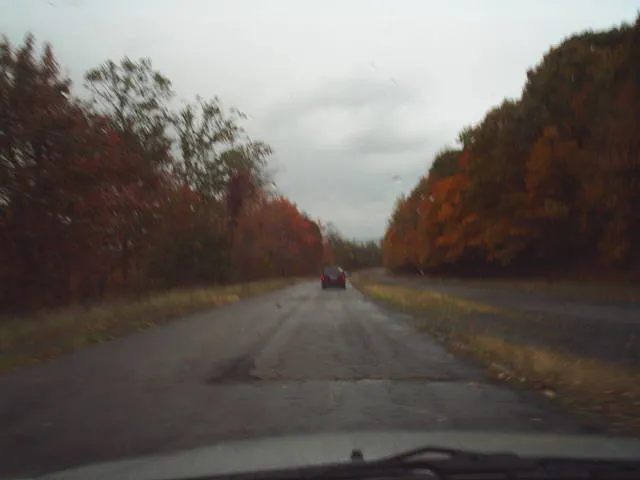
Photo: Doug Kerr from Albany, NY, United States, CC BY-SA 2.0, via Wikimedia Commons
Most road trips are about getting somewhere. This one is about standing on a highway that stopped going anywhere. The Abandoned Pennsylvania Turnpike—often called Pike2Bike—is a 13-mile stretch of the original 1940 toll road that was bypassed in 1968. It runs through Rays Hill and Sideling Hill, and as of 2026 it’s open to foot and bike traffic. No cars. No tollbooths. Just old pavement, two dark tunnels, and a very strange sense of having the interstate to yourself.
The Road That Outlived Its Own Future
When the Pennsylvania Turnpike opened in 1940, it was billed as a glimpse of tomorrow: limited access, no stoplights, service plazas, and tunnels bored straight through the Allegheny Mountains. For a while, it worked. Then traffic caught up. The two-lane tunnels at Rays Hill and Sideling Hill became bottlenecks, and in 1968 the Turnpike Commission opened a newer, wider alignment that skipped them altogether. The old road was left to the weeds.
That’s the appeal. This isn’t a reconstructed pioneer village or a battlefield with interpretive panels every fifty feet. It’s infrastructure that simply outlived its usefulness. You can still read the old road like a ledger: guardrail posts, drainage channels, pavement seams, and the faded geometry of a highway built for a different century.
Start at Breezewood, Where the Old Road Slips Behind the Neon
Breezewood is the obvious gateway, and it’s a roadside America time capsule in its own right—truck stops, motels, and enough neon to make a European tourist weep. The abandoned Turnpike access is nearby, but don’t expect a grand visitor center. This is a trailhead, not a theme park. Check current access and parking information before you go, bring cash for snacks, and top off your water bottle. Services on the old road are exactly what you’d expect from a highway abandoned in 1968: none.
The surface is old asphalt, so a hybrid or gravel bike is happier than a skinny-tire road bike. Hikers can do it too, but 13 miles one way is a long day. Most people ride it as a shuttle trip or an out-and-back, turning around at Sideling Hill. Either way, pack a headlamp. The tunnels are not lit, and your phone flashlight is not a plan.
Rays Hill: The Short Tunnel That Feels Longer
Rays Hill Tunnel comes first if you start from the Breezewood side. It’s the shorter of the two, roughly 3,500 feet, but it’s long enough to swallow your sense of direction. The temperature drops. The air smells like wet stone. Your bike light makes a small white circle on the wall, and the far portal looks like a postage stamp.
This is where the old Turnpike’s engineering becomes personal. The tunnel was built for two lanes of traffic, not for a modern four-lane interstate, and you can feel the tightness. The ceiling sweats. Water drips. The walls carry the soot and stain of decades. It’s not a haunted house—it’s a piece of mid-century civil engineering doing its best impression of a cave.
Sideling Hill: A Half-Mile of Darkness and a Lesson in Scale
Sideling Hill Tunnel is the main event. At roughly 6,700 feet, it’s the longest tunnel on the old Turnpike and one of the longest abandoned highway tunnels in the country. Standing at the portal, you can see the old road disappear into black. Then you ride in, and the black wraps around you.
This is not the place to test a dim headlamp. Bring a real light, and maybe a backup. The tunnel is wide enough to feel like a road but dark enough to feel like a dare. Listen for the echo of your tires and the occasional drip. Look for the old drainage and the seams where concrete meets rock. Then look back: the entrance is a bright rectangle, shrinking behind you.
When you come out the other side, the old road continues through a cut in the hills, quiet and green. It’s one of the few places in Pennsylvania where you can experience a superhighway as a landscape instead of a blur.
The Old Dual Roadway and the Relics in the Weeds
Outside the tunnels, the abandoned Turnpike still shows its original divided-highway bones. You’re rolling on the old alignment, past guardrail posts and drainage ditches that once mattered very much to somebody. The pavement is cracked and patched, with grass pushing through the seams. Near Breezewood, the old interchange ramps and roadside remnants sit close to the current Turnpike, a reminder that the new road didn’t erase the old one—it just drove around it.
This is the part of the trip that rewards slowing down. The relics aren’t dramatic. They’re ordinary: a mile marker, a culvert, a stretch of original shoulder. But that’s the point. Heritage travel isn’t always about presidents and battlefields. Sometimes it’s about the ordinary roads that made ordinary life possible.
Make It a Day Trip, Not a Survival Test
This is a heritage trail, not a thrill ride. Check trail conditions and seasonal notices before you go. Carry water, food, a basic repair kit, and a helmet. Ride within your limits. The tunnels are dark and cool even in summer, so a light jacket isn’t a bad idea. Stay out of closed areas, pack out your trash, and don’t treat the old road like a playground for ATVs—it isn’t one.
If you’re coming from out of state, pair the ride with a Breezewood breakfast and a drive on the current Turnpike to see the contrast. The old road is a time capsule. The new road is a machine. Both are Pennsylvania history, just moving at different speeds.
Why It Belongs on Your Pennsylvania List
The Abandoned Turnpike isn’t polished, and that’s its charm. It’s a highway that died so you could drive—and now it’s a place to walk, pedal, and wonder what we’ll leave behind next. Bring a light, bring a friend, and give yourself a few hours. The old road has been waiting since 1968.