Beneath the Waterline: Paddling and Hiking to the Towns Pennsylvania Put Underwater
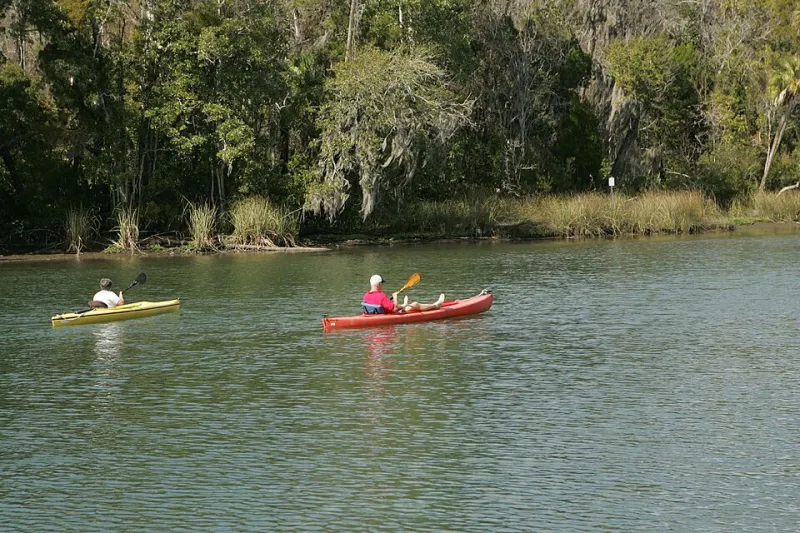
Photo: Hillebrand Steve, U.S. Fish and Wildlife Service, Public domain, via Wikimedia Commons
Every reservoir has a story, but Pennsylvania's have a habit of having somebody else's story. Beneath the pontoon boats and the bass anglers lie farmsteads, mill towns, and canal villages that were bought out, bulldozed, and deliberately drowned so the rest of the state could have drinking water, flood control, and hydropower. The wild part? You can visit most of them. Some you can even kayak across, knowing there's a church steeple's worth of history under your hull.
The Village at the Bottom of Raystown
Lake Raystown in Huntingdon County is the big one — a 28-mile-long stretch of water in the middle of the Juniata Valley that looks like it's been there forever. It hasn't. When the Army Corps of Engineers dammed the Raystown Branch of the Juniata in the 1970s, the project flooded bottomland that had been farmed for generations, including the site of the old village of Aitch and homesteads dating back to the 1700s.
Start your day trip at the Raystown Lake Visitor Center, where the exhibits actually get into the displacement story — a refreshing change from the usual dam-brochure gloss. Then rent a kayak or hop a pontoon tour from Seven Points. On low-water days in late fall, when the lake is drawn down for winter, you can sometimes spot old road beds and foundation remnants along the exposed shoreline. Hike the Terrace Mountain Trail and you'll pass stone walls that used to mark property lines, not hiking routes.
When the Canal Ran Out of Water
The Susquehanna's canal era produced a string of hardworking river towns, and when the canals died in the late 1800s and early 1900s, some of those towns died with them. The Susquehanna Riverlands and the pockets of public land along U.S. Route 11 between Harrisburg and Wilkes-Barre are dotted with the ghosts of lock towns — communities that existed purely to move anthracite south.
A great low-effort visit: the trailheads along the Susquehanna Warrior Trail near Shickshinny. This stretch of river absorbed canal traffic, coal barges, and the 1972 Agnes flood, which rewrote the map of river communities in a single week. Interpretive signage along the path points out where wharves and lock structures stood. Bring a fishing rod if you want an excuse to linger; the smallmouth don't care about history.
Quarry Country's Vanished Crossroads
Not every drowned place drowned in water. Southeast of Reading, the huge granodiorite quarries of the Birdsboro area chewed up farmland and swallowed crossroads communities that existed mostly on company time. The Hopewell Lake area of French Creek State Park sits on land that was once industrial — the Hopewell iron furnace village is preserved (and absolutely worth an hour), but the surrounding landscape holds the foundations of worker housing and mine roads that most hikers stroll right past.
The Hopewell Furnace National Historic Site is your anchor here. It's the rare case where the opposite of erasure happened: the village survived because the industry left. Walk the grounds, then take the connecting trails into French Creek and imagine the reverse — a place so thoroughly mined it couldn't be saved.
How to Chase Sunken History Responsibly
A few ground rules for the flooded-places traveler:
- Check drawdown schedules. Late fall and early winter, when reservoirs are lowered, is prime time for spotting ruins. Call the ranger office — they'll tell you exactly when and where to look.
- Don't dig, don't take. Everything underwater or exposed in a drawdown is protected. Photograph it, leave it, tell the historical society about it.
- Mind the water. Submerged timber, sudden drop-offs, and cold water make reservoir kayaking a real-skill activity. Wear the PFD, even on the hot days.
Make a Weekend of It
Raystown pairs naturally with Huntingdon's compact downtown — grab dinner at a local spot near the courthouse square and stay at one of the lake-area campgrounds or a small inn in town. Add a morning detour to the Juniata College museum or the old stone buildings along Penn Street and you've got a full weekend built around a town that technically no longer exists.
There's something quietly moving about floating on a glassy reservoir at sunset, knowing the ripples are the only weather those streets will ever feel again. Pennsylvania drowned its villages to serve the living — the least we can do is visit.