North by Nightlight: A Long Weekend Tracing the Underground Railroad Across Philadelphia and the Countryside
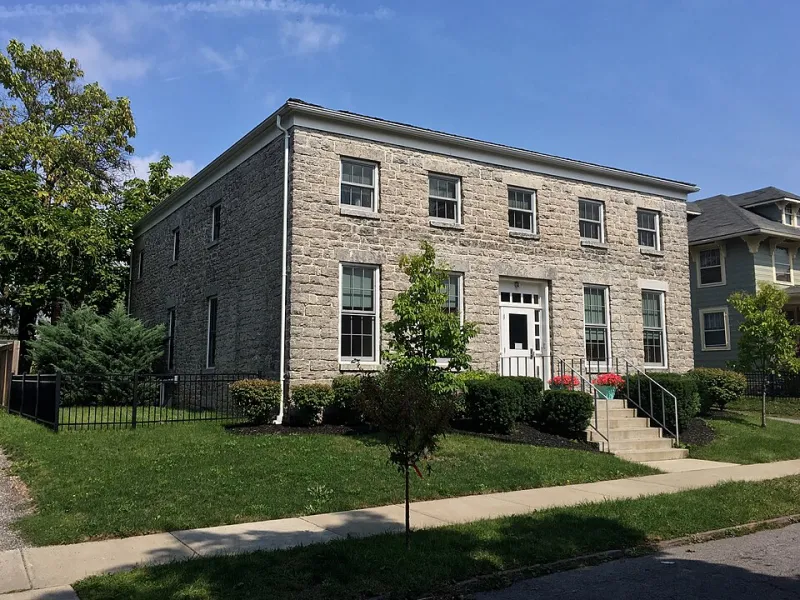
Photo: Andre Carrotflower, CC BY-SA 4.0, via Wikimedia Commons
Most road trips promise scenery. This one promises something heavier and more lasting: the chance to drive the same roads — sometimes the same dirt lanes — that freedom seekers traveled in the decades before the Civil War. Pennsylvania was the first free state many enslaved people reached after crossing the Mason-Dixon line, and the network of churches, farms, and secret cellars that sheltered them still stands. You can see it all in a long weekend, and you should.
Day One: Where Freedom Was Defended in the Open
Start at Mother Bethel African Methodist Episcopal Church on South Street in Philadelphia, the mother church of the AME denomination, founded in 1794 by Richard Allen. This isn't a site where freedom was hidden — it was claimed, loudly. Allen himself had purchased his freedom and built one of the earliest independent Black institutions in America. The current sanctuary dates to 1890, but the crypt below holds Allen's tomb, and a small museum traces the congregation's role in abolition, including the founding of the Free African Society in 1787.
A short drive away, the Belmont Mansion in Fairmount Park tells a different kind of story. Its most famous resident, Cornelia Wells, and the network around the estate turned the house into a station on the Underground Railroad, with Judge William Parker among those connected to its covert work. The mansion's exhibits focus on the people who risked everything — both those escaping bondage and those sheltering them.
Before leaving the city, swing through the Johnson House Historic Site in Germantown. This is the centerpiece of the whole route: a stately Quaker farmhouse built in 1768, where the Johnson family concealed freedom seekers in an attic accessible only through a trapdoor in a bedroom closet. Park rangers and volunteer guides walk you through the actual hiding spaces, and standing in that cramped attic does something no museum placard can. Tours run Thursday through Sunday; book ahead.
Spend the night in Germantown or Chestnut Hill — both have walkable dining strips and easy highway access for tomorrow's drive.
Day Two: Into Chester County's Quaker Country
Head west about 45 minutes into Chester County, where the landscape shifts to rolling farmland and stone farmhouses. This was hot territory for abolitionist activity, largely because of the region's Quaker communities and a remarkable free Black population.
The Kennett Square / Longwood area is your base. The Kennett Underground Railroad Center operates walking and driving tours of more than a dozen documented station sites scattered through the surrounding hamlets. One of the most powerful stops is the former home of Zebulon Heston and nearby Ercildoun, a village founded by abolitionists where anti-slavery sentiment ran so hot that the meetinghouse was burned by arsonists in 1847.
Don't miss Longwood Gardens while you're in the area — not for its Underground Railroad connections, but because its founder, Pierre du Pont, preserved land that includes historic Quaker farms. It's a good leg-stretch between somber stops, and the conservatory is world-class.
For a deeper dive, the Chester County History Center in West Chester holds documents, runaway ads, and first-person accounts from local conductors like Lucretia Mott and the celebrated William Still, the Philadelphia abolitionist whose ledger of escapees became the most detailed record of Underground Railroad operations ever kept. Still's notes are the reason we know the names of so many who passed through this region.
Day Three: North Through Bucks County
On your final day, point the car northeast toward Bucks County, roughly 90 minutes away. The countryside here is gentler, but the history is no less intense.
The Bucks County area around New Hope and Lahaska was a corridor for freedom seekers moving up from Philadelphia toward New Jersey and points north. The Bucks County Historical Society at the Mercer Museum in Doylestown holds archival materials on local abolitionists, and the surrounding villages — Quakertown, Buckingham, Wrightstown — were dotted with sympathetic farmsteads.
One stop worth the detour: Fell Family Cemetery and the surrounding Quaker communities in Fallsington, where local meetinghouses doubled as organizing hubs. The historic village of Fallsington itself, with its 18th- and 19th-century buildings, gives you a feel for the world these Quaker families inhabited — plain, principled, and quietly defiant.
Practical Notes for the Drive
- Best season: Late April through May or late September through October, when the rural roads are at their prettiest and sites keep regular hours.
- Driving time: Total route is roughly 150 miles, but budget three days — several sites require guided tours booked in advance.
- Accessibility: Johnson House and Mother Bethel have limited accessibility; call ahead. Kennett's driving tour is fully car-based, which helps travelers with mobility concerns.
- Cost: Most sites are free or under $15, with donations strongly encouraged — these are small nonprofits doing vital preservation work.
Why This Trip Matters
There's a temptation to treat Underground Railroad history as abstract — a story of codes and lanterns. Driving it changes that. You pass the same stone walls, cross the same creeks, and realize that the people who made this journey did it on foot, at night, in winter, with bounty hunters on the roads you're cruising at 60 miles an hour.
Pennsylvania's freedom trail isn't as famous as Boston's, and that's precisely the point. Go now, before everyone else figures it out.